


Published private route
4-Day Siwa Oasis Tour from Cairo
Use the published route for a private multi-day journey combining Siwa heritage, salt lakes, springs and a Great Sand Sea experience.
View the Siwa Oasis Tour →Siwa Oasis is a remote Western Desert destination shaped by salt lakes, palm groves, kershef architecture, ancient oracle traditions, local Amazigh culture and the Great Sand Sea. Plan enough time for the long overland journey, keep desert access flexible and use the dedicated Siwa Oasis tour when you are ready to compare a bookable itinerary.

Yes, especially if you want a different side of Egypt built around Western Desert landscapes, Siwan culture, salt lakes, heritage and slower travel. The long overland journey means Siwa works best when you allow several nights instead of trying to squeeze the oasis into a short side trip.
This destination guide is informational first. Use the verified pages below when you are ready to compare a published itinerary, broader adventure routes or a custom Egypt plan.
Use the published route for a private multi-day journey combining Siwa heritage, salt lakes, springs and a Great Sand Sea experience.
View the Siwa Oasis Tour →Compare Siwa with Fayoum, Bahariya, the White Desert and other nature-led Egypt routes.
Compare Adventure Packages →Add Siwa to Cairo, Alexandria, the Nile Valley or another region without forcing the oasis into an unrealistic schedule.
Build a Tailor-Made Route →Start with trip length and road time, then balance heritage, springs, salt lakes, local culture and one carefully organized desert experience.
Siwa combines oasis landscapes, salt lakes, springs, desert adventure, heritage architecture and a distinctive local culture. The destination is strongest when the itinerary leaves room for sunsets, slow movement and community context rather than treating every day as a checklist.
Siwa is a strong match for travelers who enjoy remote landscapes, local culture, desert scenery, photography and a slower pace. It is less suitable for itineraries already overloaded with long city-to-city transfers.
Use your main interest to shape the stay, then leave enough time for the oasis itself instead of treating Siwa as a checklist.
Plan Great Sand Sea and 4×4 experiences around current access, the selected operator and local desert conditions.
Use the salt lakes as a distinctive Siwa experience while respecting local access, weather and practical conditions on the day.
Shali Fortress, the Temple of the Oracle and other heritage sites add historical depth beyond the desert landscape.
Leave time for palms, springs, local architecture, crafts and everyday Siwan culture rather than focusing only on excursions.
Desert light, salt lakes, oasis palms and historic architecture offer varied subjects without needing to overpack the itinerary.
Use slower mornings, springs, sunset periods and quiet oasis time to balance active desert days.
Build a balanced first trip around heritage, water, desert and local culture. Use real internal guides where Egypt Tours Club currently has a verified page.

Walk the restored lanes of Siwa’s historic fortified settlement and use the elevated viewpoints to understand the relationship between town, palms, lakes and desert.
Open Shali Fortress Guide →
The sanctuary of Amun is one of Siwa’s key ancient sites and is traditionally associated with Alexander the Great’s journey to the oasis.

Use the spring as a relaxed oasis stop near Aghurmi. The Cleopatra association is traditional legend rather than established history.

Visit with local guidance, protect eyes and cuts, wear suitable footwear and bring fresh water for rinsing after floating.
Open Siwa Salt Lakes Guide →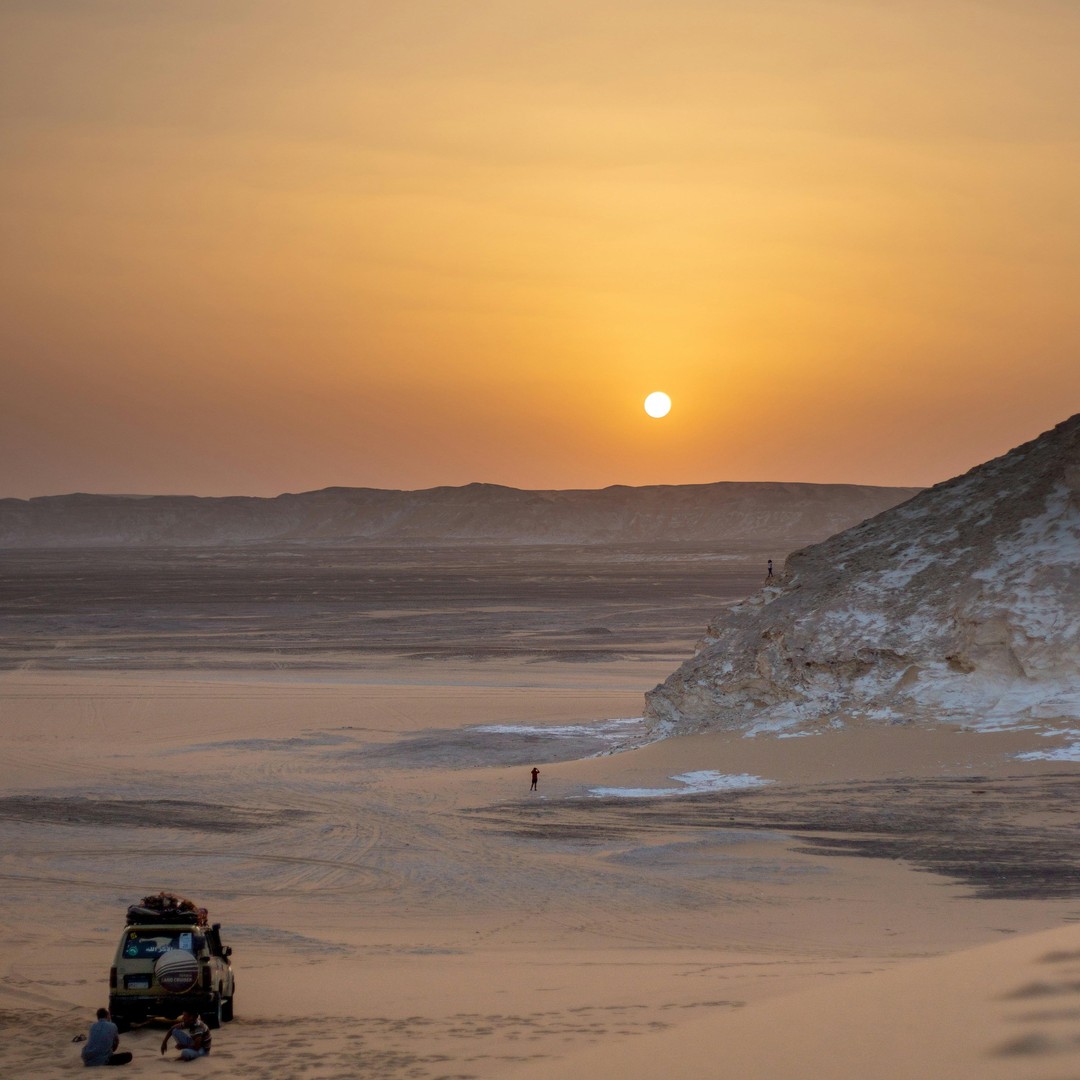
Use a suitable local operator for dune routes, sunset and any sand activity. Access and route choices depend on current local conditions and operational approvals.
Open Great Sand Sea Guide →Add Gebel Dakrur when you want a wider landscape and cultural context beyond central Siwa. Keep access and activity details flexible and verify them locally.
Siwa works well when the itinerary protects quiet time between desert, heritage and oasis experiences.
Build in unhurried time around the lakes rather than treating them as a quick photo stop.
Spring visits can add a restorative pause to the trip; exact access and local conditions should be confirmed on the day.
Keep some evenings free for desert or oasis sunset time instead of scheduling every hour.
The destination suits travelers who value slower pacing, local culture and open landscapes over a dense sightseeing schedule.
Siwa is a living oasis community as well as a travel destination. Good planning includes respect for local traditions and the desert environment.
Dress and behave considerately in community spaces, and ask before photographing people or private property.
Take litter back with you and avoid leaving plastics, food waste or other materials in desert or oasis landscapes.
For organized desert access, use operators and drivers that meet the current local requirements for the selected route.
Avoid damaging salt formations, springs, vegetation or heritage structures and follow local guidance at sensitive sites.
Use these as route-planning ideas, not guaranteed operating schedules. Road time, desert access and local conditions should always be reconfirmed.
Use one day for Shali, the Oracle area and Cleopatra Spring, then one day for the salt lakes, local culture and a relaxed sunset period.
Keep the heritage and salt-lake days, then add one organized 4x4 desert block with enough time to avoid rushing the rest of the oasis.
Add more cultural depth, craft or market time, a second sunset location, Bir Wahed or another verified local experience depending on access and the confirmed route.
A Great Sand Sea experience is one of Siwa’s defining attractions, but remote desert access should be organized carefully rather than treated as an unrestricted self-drive activity.
Siwa is a living community, not an open-air attraction. Cultural planning should respect local customs, privacy and the difference between public visitor spaces and everyday community life.
Shali’s kershef buildings and restored lanes are the clearest visual introduction to older Siwan construction traditions.
Local markets and workshops may include textiles, basketry, dates, olive products and salt crafts. Buy respectfully and avoid turning people into photo props.
Allow time for local food and cafés, but keep language factual and respectful rather than presenting Siwa as exotic or staged for visitors.
Choose the stay style by how much local access, quiet landscape and transport coordination matter to you rather than by hotel name alone.
| Stay style | Best for | Advantages | Planning note |
|---|---|---|---|
| Central Siwa | First-time visitors & short stays | Easier access to Shali, shops, cafés and local town life | May feel busier than remote lodge areas |
| Oasis outskirts | Quiet stays & landscape | More palm-grove atmosphere and space | Plan transport to central sights |
| Eco-lodge style stays | Travelers prioritizing local materials and slower travel | Can reinforce the oasis experience | Facilities and services vary; confirm exact inclusions |
| Desert-edge stays | Sunset and remote atmosphere | Stronger desert setting | Requires more careful transfer and access planning |
Central sightseeing and remote desert travel require different transport choices.
Useful for longer road transfers and organized local sightseeing when the route and pickup details are confirmed.
Local cars, tuk-tuks and similar options can suit shorter movements around the oasis, depending on current availability and comfort.
Suitable for selected central areas when heat and personal ability allow. Do not use them as substitutes for remote desert access planning.
Use a suitable local operator for remote dunes and Great Sand Sea routes. Confirm current access and vehicle arrangements before departure.
Use this as broad seasonal guidance rather than a guarantee. Desert temperatures can vary sharply between day and night.
| Season | Best For | Planning Note |
|---|---|---|
| Winter | Ideal exploration | Comfortable for outdoor sightseeing; pack for cooler evenings. |
| Spring | Desert adventures | Useful for mixed heritage and desert planning, with sun protection still important. |
| Summer | Early mornings & evenings | Protect midday rest and avoid overloading exposed outdoor activity. |
| Autumn | Comfortable travel | Works well for balanced oasis, heritage and desert itineraries. |
Siwa is a remote oasis, so good planning is mostly about road time, desert access, realistic pacing and temperature changes.
Direct planning answers for access, trip length, salt lakes, desert safari, families, weather and wider Egypt itineraries.
Yes, especially if you want Western Desert landscapes, Siwan culture, salt lakes, heritage sites and a slower travel rhythm. The long overland journey means Siwa is best treated as a multi-day destination rather than a quick detour.
Three nights is a practical minimum for many first-time visitors. Four days gives a better balance of heritage, salt lakes, springs and one carefully planned Great Sand Sea experience.
Prioritize Shali Fortress, the Temple of the Oracle, Cleopatra Spring, the Siwa Salt Lakes and one organized Great Sand Sea experience. Add local crafts, food and quieter oasis time rather than overloading each day.
Siwa is known for its Amazigh cultural identity, kershef architecture, Shali Fortress, the Oracle of Amun, salt lakes, natural springs, olive and date agriculture and the Great Sand Sea.
Cooler and shoulder months are generally easier for outdoor exploration. Daytime heat can be intense in warmer periods, while desert evenings can feel much cooler, so plan clothing and activity timing accordingly.
Yes, with realistic pacing. Families should avoid stacking long road travel, desert activity and multiple heritage stops into the same day and should confirm age or safety rules for any 4x4 safari or sand activity.
Not for central Siwa sightseeing. A normal private vehicle can handle many town and road-based movements, while remote dune routes in the Great Sand Sea require suitable organized 4x4 access and current local coordination.
Yes. Siwa can be added before or after Cairo and can form part of a longer desert or multi-region itinerary. Allow enough travel time so the oasis does not make the wider route unnecessarily rushed.
Most visitors reach Siwa overland. Private road transfer and scheduled coach services are common options, but departure points, operators and journey conditions can change and should be reconfirmed close to travel.
Typical visitor itineraries do not rely on a regular commercial airport in Siwa. Plan the destination primarily as an overland journey and reconfirm current transport options before travel.
Conditions vary by pool. Visit with local guidance, protect eyes and cuts, avoid splashing or submerging the face, wear suitable footwear and rinse with fresh water after floating.
Remote desert access should be arranged with a suitable local operator. Routes can depend on access, weather and operational approvals, so do not assume every dune area is freely accessible.
Use lightweight sun-protective clothing for daytime, comfortable walking shoes and an extra layer for cooler desert evenings. Dress respectfully around local communities and heritage or religious areas.
Carry drinking water, sun protection, secure footwear and a warmer layer for evening temperature changes. Confirm what the operator provides and what personal items are required for the selected route.
It can be, but the long road journey, uneven heritage paths and desert activities require realistic pacing. Choose accommodation and transport carefully and confirm mobility needs before booking remote excursions.
Cycling can suit selected local routes when heat, road conditions and personal ability make it appropriate. It is not a substitute for organized transport to remote desert areas.
Central Siwa suits travelers who want easy access to Shali, shops and local life. Outskirts and eco-lodge style stays suit travelers prioritizing quiet landscapes, while desert-edge stays require more transfer planning.
The spring is traditionally associated with Cleopatra, but that connection is legend rather than established historical fact. It remains a well-known oasis stop for its setting and local atmosphere.
Shali is Siwa’s historic fortified settlement, built largely from kershef, a traditional salt-rich earth material. Its restored lanes, mosque area and elevated viewpoints help explain older oasis architecture and community life.
The Temple of the Oracle of Amun at Aghurmi is one of Siwa’s major ancient sites and is traditionally connected with Alexander the Great’s journey to the oasis in the fourth century BCE.
It is possible, but daytime heat can make outdoor exploration demanding. Use earlier and later activity windows, protect hydration and shade time, and avoid copying a cooler-season itinerary without adjustment.
No. Attraction access, local rules, road conditions, safari routes and operating arrangements can change. Reconfirm practical details near the travel date.
Yes. Egypt Tours Club currently publishes a four-day private Siwa route from Cairo that combines oasis heritage, salt lakes, springs and a Great Sand Sea safari. Always review the current product page for final inclusions.
Allow time for Siwan crafts, local food, palm-grove scenery, the market around Shali and a slower sunset period. These elements help the trip feel connected to the living oasis rather than only its headline sights.
Egypt Tours Club is the traveler-facing Egypt travel brand operated by Vagus Travel Co., established in 1996 and recorded under Egyptian Tourism License No. 988, ETAA Category A.
Share your dates, Cairo pickup point, available nights, preferred accommodation style and priority experiences. The local team can help you choose the right published Siwa route or build a wider tailor-made Egypt itinerary.