


Alexandria hotel pickup
Private Alexandria Day Tour
Use this page for a full-day private sightseeing route beginning and ending in Alexandria.
View Alexandria Day Tour →Plan an Alexandria visit around Greco-Roman archaeology, the Bibliotheca Alexandrina, the Mediterranean waterfront, local food and a realistic sightseeing pace. Use this destination hub to decide what to see, how long to stay and when to continue to a dedicated Alexandria tour page.
For a first visit, combine the Catacombs of Kom El Shoqafa, Pompey’s Pillar and the Serapeum, Citadel of Qaitbay, the Bibliotheca Alexandrina and time along the Alexandria Corniche. One day gives a focused overview; two days allow museums, Montaza and a slower Mediterranean pace.
This destination hub remains informational. Use the dedicated products below when you are ready to compare a specific private tour.
Use this page for a full-day private sightseeing route beginning and ending in Alexandria.
View Alexandria Day Tour →A shorter private route focused on the Catacombs of Kom El Shoqafa and Pompey’s Pillar with the Serapeum.
View Half-Day Tour →Use this route when Alexandria is a full-day Mediterranean extension from a Cairo-based stay.
View Alexandria from Cairo →Separate archaeology, museums, waterfront time and road travel so the day stays realistic.
Alexandria adds a Mediterranean and Greco-Roman layer to an Egypt itinerary. The city works best when archaeological sites, museums and waterfront time are combined instead of treating every hour as monument sightseeing.
Underground catacombs, Roman sites and museum collections reveal Alexandria’s multicultural ancient past.
The Eastern Harbour, Corniche and Qaitbay area give the city a coastal identity unlike Cairo or Upper Egypt.
Bibliotheca Alexandrina and major museums add modern cultural and historical depth.
Seafood, cafés and waterfront dining form a practical part of the city experience without needing a restaurant-heavy itinerary.
Choose a balanced mix of archaeology, museums and Mediterranean scenery. Open the dedicated attraction guide where a verified page exists.
Use the modern library for architecture, museums, exhibitions and the intellectual legacy associated with Alexandria.
Open Bibliotheca Alexandrina Guide →Descend through a Roman-period necropolis where Egyptian, Greek and Roman visual traditions meet.
Open Catacombs Guide →Visit the Mamluk coastal fortress near the historic setting associated with Alexandria’s ancient Pharos lighthouse.
Open Qaitbay Guide →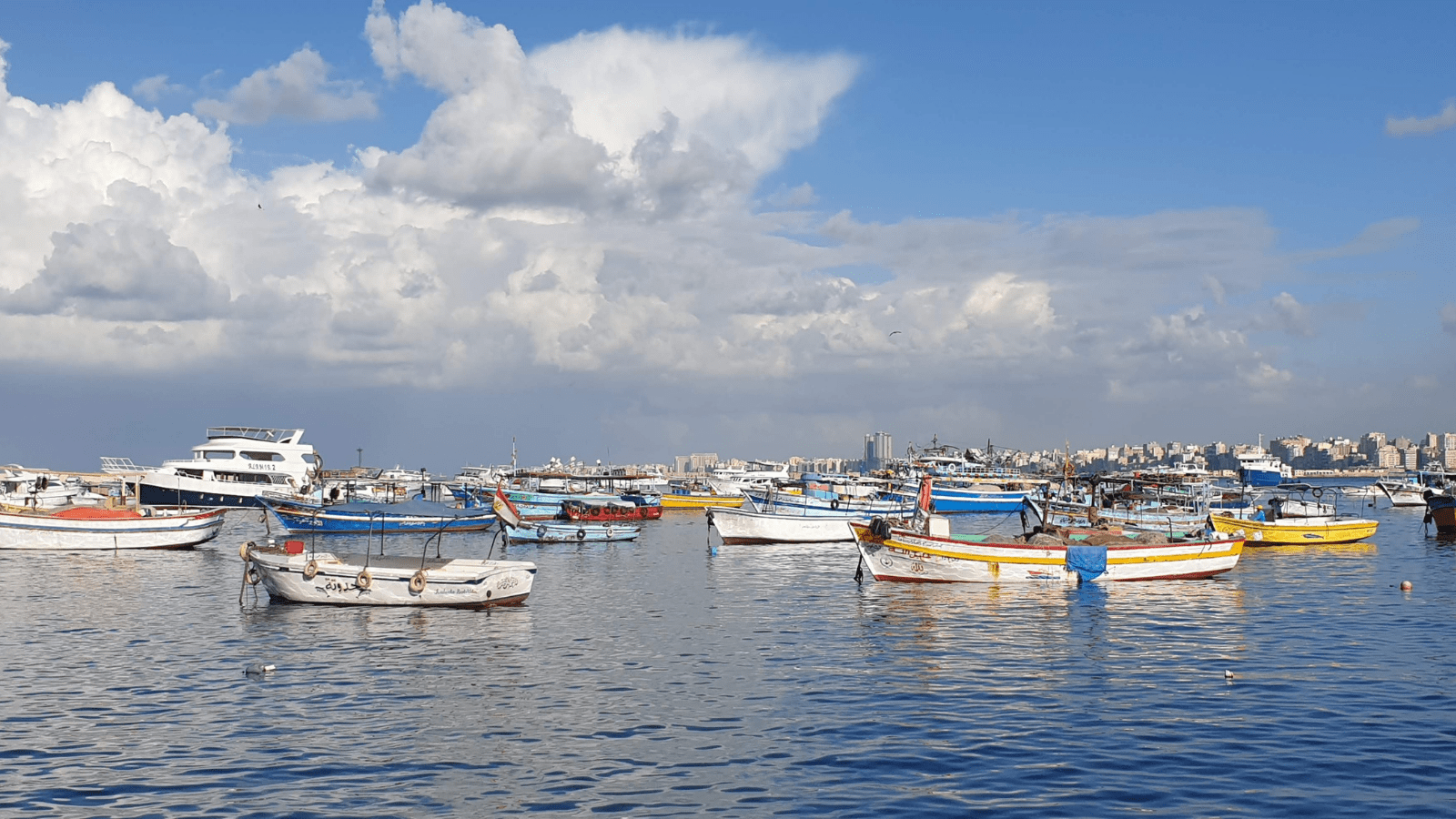
A compact archaeological stop that works best when paired with the nearby catacombs and interpreted in the wider Serapeum context.
Open Pompey’s Pillar Guide →
Add this site when your route focuses on Roman Alexandria and central archaeological remains. Confirm current access before visiting.

Use the museum for a chronological overview from ancient Egypt through the Greco-Roman, Coptic, Islamic and modern periods.
Open Alexandria National Museum →A greener, more relaxed stop with royal-era architecture and Mediterranean views in eastern Alexandria.
Open Montaza Guide →
Add the mosque area when your itinerary includes Alexandria’s Islamic heritage and local neighborhoods. Dress and visit respectfully.
Use selected waterfront sections rather than trying to walk the entire coast. The Corniche works well as a lighter finish after archaeology or museums.
Open Alexandria Corniche Guide →
A modern waterfront landmark that can fit a coastal drive or photography-focused route when the city sequence passes through eastern Alexandria.
Use your interests to decide which parts of Alexandria deserve more time.
The coast is part of Alexandria's identity. Use a lighter waterfront block to balance archaeology, museums and road travel.
Choose a practical section of the Corniche rather than trying to walk the full waterfront.
Later light can work well around Qaitbay, the Eastern Harbour and selected Corniche viewpoints.
Use the harbour area to connect Qaitbay, fishing activity, sea views and Alexandria's maritime character.
Small boats and working waterfront scenes add a local visual layer beyond the major monuments.
Add a relaxed café break after archaeology or museum visits when the route and timing allow.
Keep the route realistic and group nearby sites before moving toward the Mediterranean coast.
Use the Catacombs of Kom El Shoqafa and Pompey’s Pillar / Serapeum for a compact archaeology route. View the half-day tour →
Combine the catacombs, Pompey’s Pillar or another Roman stop, Qaitbay Citadel and a waterfront or library stop depending on opening access.
Use the second day for Bibliotheca depth, Alexandria National Museum or the Graeco-Roman Museum, then add Montaza or a slower Corniche period.
Both can work. The choice depends on how much road travel you want in one day and how much museum or waterfront time matters to you.
| Option | Best for | Planning logic | Useful link |
|---|---|---|---|
| Day trip from Cairo | First-time visitors with limited days | Keep the Alexandria program focused because road travel already takes a meaningful part of the day and traffic can vary. | View Alexandria Day Tour from Cairo → |
| Overnight stay | Museum lovers, slower travelers and coastal atmosphere | Use the extra time for Bibliotheca, Montaza, additional museums, local food and a less compressed waterfront experience. | Plan a Custom Alexandria Stay → |
Choose an area based on your sightseeing priorities rather than a hotel name alone.
| Area | Best for | Advantages | Considerations |
|---|---|---|---|
| Corniche / Eastern Harbour | First-time visitors and waterfront atmosphere | Easy access to Qaitbay, sea views and central coastal sightseeing | Traffic and street activity vary by exact location |
| City Center | Museums, urban history and shorter central transfers | Practical for central cultural and archaeological sites | Less resort-like than eastern coastal areas |
| Montaza | Gardens, eastern coastline and a quieter base | Good access to Montaza and eastern Alexandria | Longer transfers to some central archaeology |
| Central Waterfront Areas | Sea views, cafés and evening walks | Strong Mediterranean atmosphere | Exact road access and noise levels vary by street |
Travel time changes with traffic, time of day and how far east or west your route goes.
Useful for a full sightseeing day, Cairo–Alexandria connections or travelers who want a fixed pickup and drop-off plan.
Useful for point-to-point trips where the pickup location and destination are clear.
A local transport option on parts of the city network, better suited to flexible travelers than a time-sensitive sightseeing program.
Works in selected central and waterfront areas, but Alexandria is too spread out to treat the whole city as walkable.
The Mediterranean coast gives Alexandria different seasonal conditions from inland Egypt. Use this as broad planning guidance rather than a weather guarantee.
| Season | Best For | Planning Note |
|---|---|---|
| Spring | Ideal sightseeing | Good for combining archaeology, museums and waterfront time. |
| Summer | Sea breeze & evenings | Use earlier outdoor sightseeing and leave coastal time for later in the day. |
| Autumn | Pleasant weather | A balanced period for city, museum and Mediterranean experiences. |
| Winter | Mild with occasional rain | Keep museums and indoor cultural stops flexible around coastal weather. |
Alexandria feels most complete when history is balanced with the Mediterranean waterfront and everyday city life.
Seafood is a major part of Alexandria’s local food identity. Use one meal as a destination experience without turning the day into a restaurant list.
Add a café break between museums or after a coastal walk to slow the pace of the day.
Use selected sections of the Corniche rather than trying to walk the whole coast.
Explore everyday shopping areas when your route allows, with normal city awareness and realistic transfer time.
Alexandria can work well for families when the day combines history with open-air and lower-intensity stops.
Use a short waterfront walk or sea-view stop as a break between museums or archaeological visits.
Montaza can add more open space and a different pace from central historical sightseeing.
The library and its cultural spaces can add variety to a day that would otherwise be dominated by ruins.
Choose one museum that suits the family's interests rather than trying to include several collections in the same day.
The same city can feel very different depending on pace, museum depth and how much time you leave for the coast.
Alexandria works best when the route respects geography, road traffic and the difference between archaeology, museum time and waterfront sightseeing.
Accessibility varies by attraction and should be checked site by site.
Kom El Shoqafa involves a descent, underground passages and stairs, so it may not suit every mobility level.
Pompey’s Pillar and other archaeological areas can involve uneven surfaces and outdoor walking.
Museum and library time can reduce outdoor walking, but exact accessibility should still be confirmed with the venue.
Private transport can reduce unnecessary walking between sites that are widely separated across the city.
Use these pages only when Alexandria is one part of a broader trip.
Direct answers for planning Alexandria, choosing attractions, traveling from Cairo and deciding when to move to a dedicated tour page.
Yes. Alexandria offers a different side of Egypt through Greco-Roman archaeology, museums, the Mediterranean waterfront, Qaitbay Citadel, the Bibliotheca Alexandrina and a strong local food culture.
One full day covers a focused first visit. Two days are better if you want museums, Montaza, local neighborhoods or a slower waterfront pace without overloading the route.
For a first visit, combine the Catacombs of Kom El Shoqafa, Pompey’s Pillar or another Greco-Roman stop, Qaitbay Citadel, Bibliotheca Alexandrina and time along the Corniche.
Yes. A full-day road trip is a common option, but road traffic can vary. Keep the Alexandria route focused and avoid adding too many distant stops.
Alexandria is known for its Mediterranean identity, the legacy of ancient Greek and Roman Alexandria, the historic Lighthouse site, the Bibliotheca Alexandrina, coastal fortifications, seafood and waterfront culture.
The Corniche and central waterfront areas suit first-time visitors who want sea access and city convenience. Montaza suits travelers prioritizing the eastern coast and gardens. Exact trade-offs depend on your route.
Seasonal conditions are milder than inland Upper Egypt, but wind, rain, humidity and summer crowds can affect plans. Spring and autumn often suit mixed sightseeing, while winter and summer require more weather-specific planning.
Selected central waterfront and downtown areas are walkable, but the city is spread out. Use transport between distant archaeological sites, Montaza and other separated areas.
Yes. Egypt Tours Club currently lists private Alexandria sightseeing products, including full-day and half-day options. Confirm the exact pickup point and current itinerary before booking.
Choose comfortable walking shoes and clothing suitable for the season. Bring sun protection in warmer periods and an extra layer when coastal wind or cooler weather is possible.
Yes. Alexandria is often added before or after a Cairo stay. It can be a day trip or an overnight extension depending on your available time and preferred pace.
Pompey’s Pillar and the Serapeum are the strongest nearby archaeology pairing. After that, moving toward Qaitbay or the Corniche creates a balanced shift from underground sites to the coast.
No. The modern Bibliotheca Alexandrina is a contemporary cultural and research institution inspired by the intellectual legacy of the ancient Library of Alexandria.
Yes. It combines a surviving Mamluk fortress with Mediterranean views and the historic waterfront associated with the ancient Pharos lighthouse site.
Yes. The Catacombs, Pompey’s Pillar and Serapeum, Kom El Dikka and museum collections all help explain Alexandria’s Greek and Roman periods.
Yes, especially when the day mixes one or two archaeological stops with the library, waterfront or gardens. Avoid turning a family day into a long sequence of museums and ruins.
It can be, but stairs, underground passages, uneven archaeological ground and longer walking distances vary by attraction. Confirm the route site by site and use transport between separated areas.
Private transfers, taxis or ride-hailing can be useful for longer city movements. Trams serve parts of the city, while walking works best in selected central and waterfront areas.
Seafood is a major part of Alexandria’s local identity, alongside cafés and Mediterranean-influenced city dining. Use food as part of the destination experience rather than building the page around individual restaurants.
It is possible, but Montaza lies farther east than many central historic sites. Add it when you have enough time or a second day rather than forcing it into an already crowded archaeology route.
Yes. A tailor-made route can be built around your starting city, available time, museum interests, walking comfort, family needs and wider Egypt itinerary.
Confirm the port, clearance time, all-aboard deadline and transfer distance before planning sightseeing. Keep a protected return margin rather than using every available minute for visits.
Yes. Qaitbay, the Eastern Harbour, Corniche, Bibliotheca architecture, Montaza and urban Mediterranean scenes offer varied subjects. Photography rules at museums and archaeological sites can change.
Waterfront walks, seafood, cafés, selected local markets and neighborhood time can balance museums and archaeology and make the city feel more distinctly Alexandrian.
Egypt Tours Club is the traveler-facing Egypt travel brand operated by Vagus Travel Co., an Egyptian travel company established in 1996 and recorded under Egyptian Tourism License No. 988, ETAA Category A.
Tell us your dates, starting city, available time and main interests. Our local team can help you choose the right Alexandria tour or connect the city with a wider Egypt itinerary.
Discover Alexandria’s rich history on a private day tour from your Alexandria hotel. Explore the Catacombs of Kom El Shoqafa, Pompey’s Pillar and the Serapeum, visit the Mediterranean-facing Qaitbay Citadel, enjoy lunch at a local restaurant, and return comfortably to your hotel.
Discover ancient Alexandria on a private half-day tour to the Catacombs of Kom El Shoqafa, Pompey’s Pillar, and the Serapeum with an expert Egyptologist guide and private transfers.