

Lahun Pyramid, Egypt | Senusret II Travel Guide

Lahun Pyramid (El Lahun), Egypt

ETC · Egypt Tours ClubFayoum archaeology · private route planning
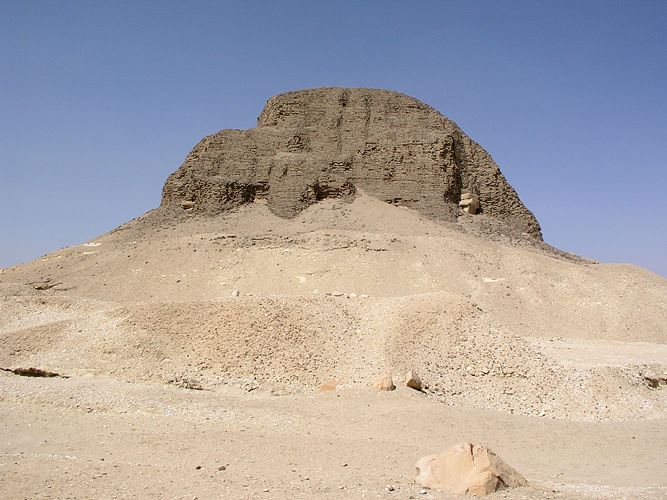
Lahun Pyramid of Senusret II at El Lahun in Fayoum
Home›Top Attractions›Fayoum›Lahun Pyramid

Senusret II · Middle Kingdom · Fayoum

Lahun Pyramid Visitor Guide

Discover the 12th-Dynasty pyramid of Senusret II through its unusual construction, concealed southern access, subterranean burial design, royal cemetery and the planned settlement known to Egyptology as Kahun.

Quick Answer

What is the Lahun Pyramid?

Senusret II’s royal pyramid at the gateway to Fayoum

The Lahun Pyramid is the 12th-Dynasty funerary monument of Senusret II at El Lahun. Instead of relying on a conventional masonry core, its builders incorporated a natural limestone mass and combined stone structural elements with mud brick. Its access was deliberately concealed away from the traditional north face, while the wider complex connects the king’s burial with a royal cemetery and one of the most informative Middle Kingdom settlements in Egypt.

For travelers, Lahun is most rewarding when treated as an archaeological landscape rather than only a pyramid exterior: the monument, underground design, royal burials and nearby Kahun settlement together explain how a Middle Kingdom royal complex functioned.

History & Meaning

Senusret II, Fayoum and the Middle Kingdom landscape

Why Senusret II chose Lahun

Lahun stands near the entrance to the Fayoum depression, a region closely associated with 12th-Dynasty royal development. The pyramid’s location connected the king’s funerary monument with a strategically important agricultural and administrative landscape.

A new approach to pyramid construction

By the Middle Kingdom, royal pyramid building had changed significantly from the monumental stone masses of the Old Kingdom. At Lahun, builders exploited the natural bedrock and combined different materials, producing a complex that is especially useful for understanding this architectural transition.

The royal cemetery

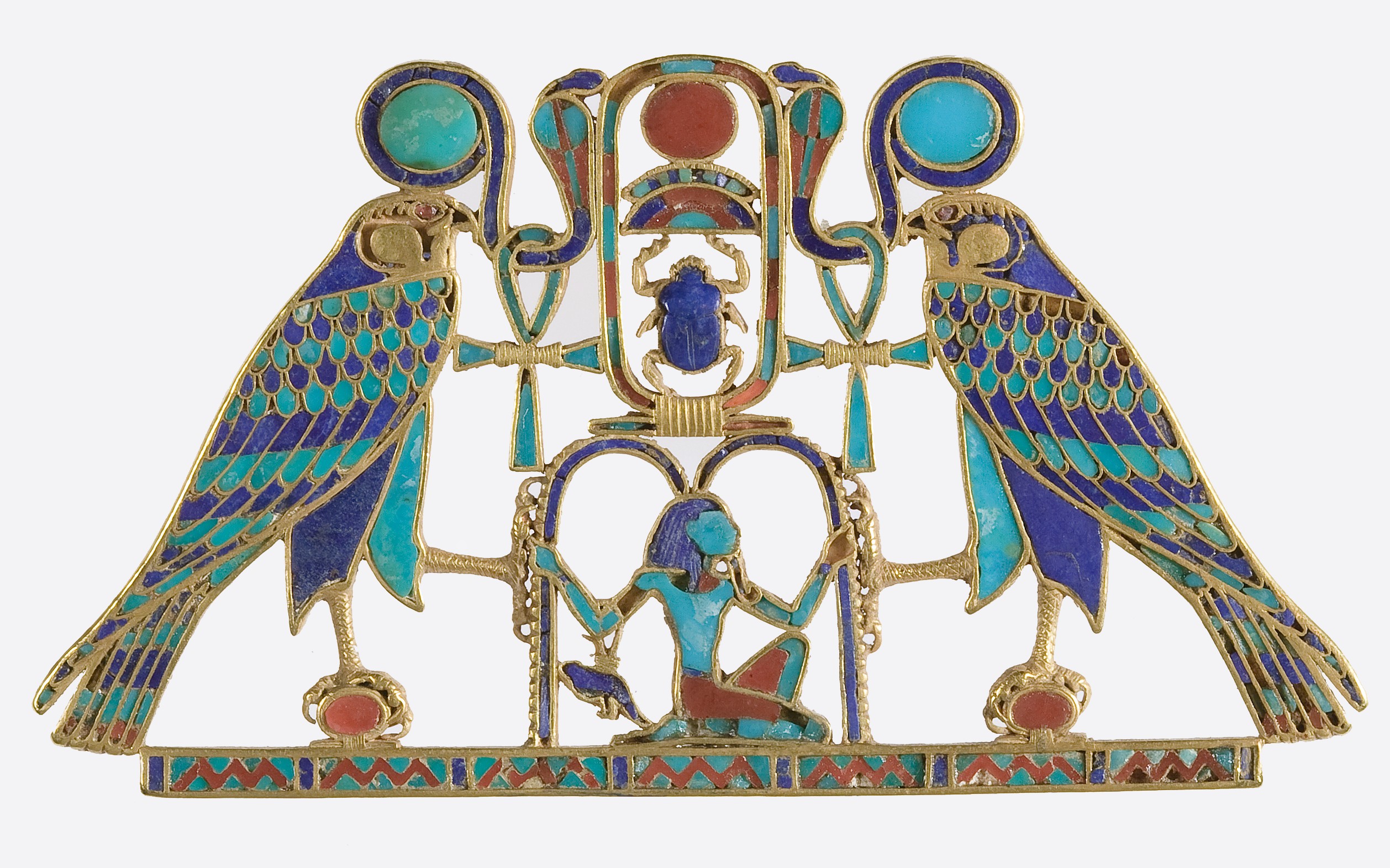
The surrounding funerary landscape included burials for members of the royal family. Finds from these tombs—especially objects associated with Sithathoryunet—show the extraordinary refinement of Middle Kingdom court craftsmanship.

Kahun and Hetep-Senusret

The nearby planned settlement, commonly called Kahun and probably known anciently as Hetep-Senusret, housed people connected with the royal cult and administration. Its archaeology and papyri make Lahun important far beyond pyramid architecture.

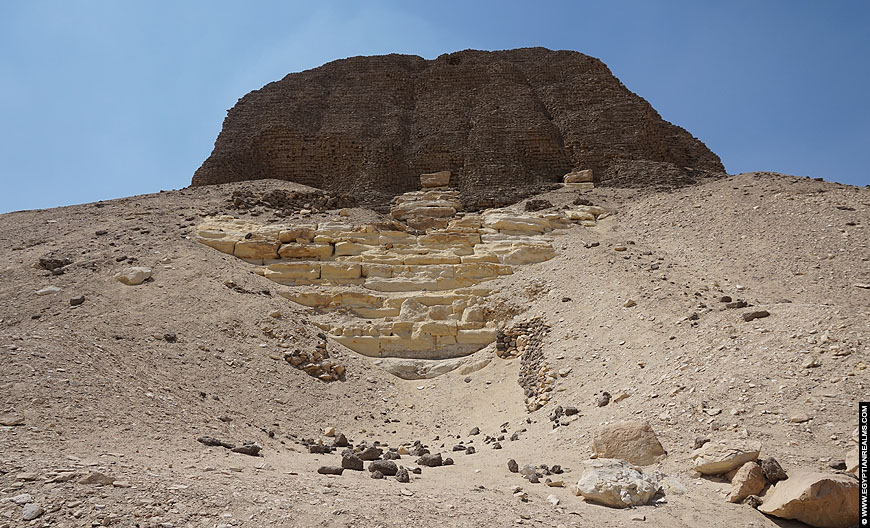
Entrance area of the Pyramid of Senusret II at Lahun

How to Read the Site

Look beyond the surviving pyramid profile

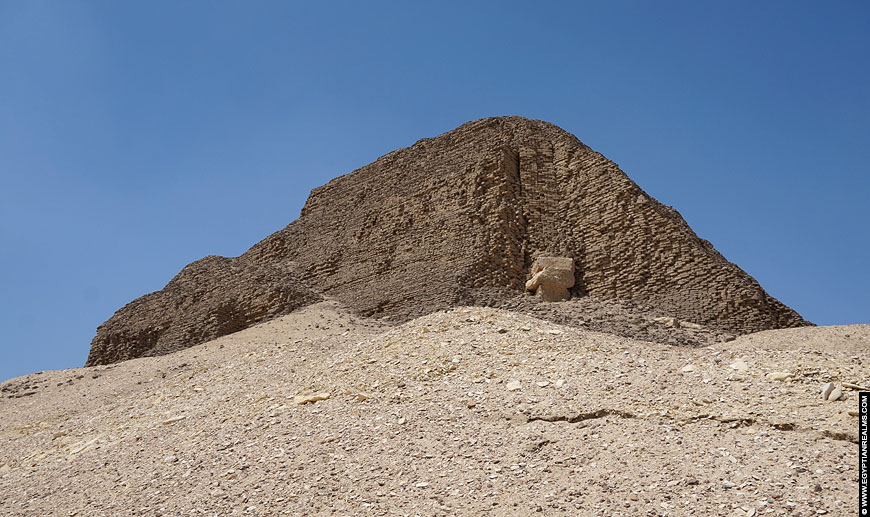
The monument has lost much of its original casing, so its present appearance can understate the sophistication of the complex. Focus on how the builders used the natural rock, where the access system was hidden, and how the underground route was designed to protect the burial apartment.

Then widen the story to the cemetery and settlement. Lahun is one of the strongest places in Egypt for connecting royal architecture with the people, records and material culture that sustained a pyramid complex after construction.

Study UCL's Lahun pyramid record

What to See

Lahun Pyramid highlights

These are the key features that make the site different from a simple “another pyramid” stop.

Mud-brick and stone remains of Senusret II's pyramid at Lahun
Engineering

Hybrid Pyramid Core

A natural limestone knoll, stone framework and mud-brick filling formed the core beneath the original casing, illustrating a distinctive Middle Kingdom building strategy.

See archaeological context
Concealed access area of the Lahun Pyramid
Security Design

Concealed Southern Access

The architects abandoned the expected north-face entrance and concealed access on the southern side, making the substructure one of Lahun’s defining design features.

Open the pyramid plan
Stone passage inside the Lahun Pyramid
Interior

Subterranean Passages

Where access is officially permitted, the underground route reveals the monument’s turns, chambers and protective logic. Expect confined, uneven conditions rather than a broad ceremonial corridor.

Prepare for pyramid interiors
Burial chamber area inside the Lahun Pyramid
Royal Burial

Burial Apartment & Sarcophagus

The royal burial zone includes a carefully worked red-granite sarcophagus and an internal arrangement that demonstrates the technical ambition of Senusret II’s architects.

Read the specialist record
Middle Kingdom jewelry from the tomb of Sithathoryunet at Lahun
Royal Finds

Sithathoryunet’s Jewelry

Objects from the nearby royal burial of Sithathoryunet rank among the best-known examples of Middle Kingdom jewelry, connecting the site with court art and funerary culture.

View Lahun jewelry at The Met
Archaeological landscape around Lahun and the pyramid town
Daily Life

Kahun & the Pyramid Town

The settlement commonly called Kahun preserves a rare window into Middle Kingdom housing, administration and written records associated with the royal complex.

Explore Middle Kingdom Lahun

Visitor Planning

Plan a realistic Lahun Pyramid visit

Treat access details as changeable and build the day around the archaeological experience rather than a guaranteed interior entry.

01

Time at the site

Allow roughly 1.5–2 hours for a focused visit, longer when interior access is available or when your interest includes the wider cemetery landscape.

Compare route ideas
03

Interior conditions

Expect narrow passages, uneven surfaces and potentially warm or confined conditions. Never enter closed shafts or restricted areas.

Read pyramid entry guidance
04

Best time of day

Earlier hours are generally more comfortable in the exposed landscape. In hotter months, reduce midday exposure and carry sufficient water.

Plan around Fayoum
05

Photography

Exterior photography is straightforward for most visitors, while interior, equipment and restricted-area rules should always be checked on site.

Review current rules
06

What to bring

Use sturdy closed shoes and bring water, a hat and sun protection. Carry only the equipment permitted under current site rules.

Open Fayoum visitor guide
07

Families

The exterior works well for history-minded families. Interior passages require closer supervision and may not suit younger children.

Read family FAQs
08

Accessibility

Uneven archaeological ground and confined interior spaces can be difficult for limited mobility. An exterior-focused route remains worthwhile.

Check accessibility notes
09

Local expert advice

Lahun is strongest as part of a carefully paced archaeology day. Pair it with Hawara when Middle Kingdom pyramids are the priority; add wider Fayoum nature or desert sites on a separate day when possible instead of overcrowding one route.

Explore Fayoum day tours

Routes & Access

How to include Lahun in a Fayoum archaeology route

From Fayoum

  1. Start from Medinet El-Fayoum or your confirmed accommodation.
  2. Travel by prearranged private vehicle to El Lahun.
  3. Visit the pyramid exterior and approved interior areas.
  4. Continue to Hawara if the day is archaeology-focused.

From Cairo

  1. Leave early to protect sightseeing time.
  2. Allow for traffic and regional road conditions.
  3. Prioritize Lahun plus one or two compatible stops.
  4. Return with margin rather than overloading the day.

Pyramid evolution route

  1. Lahun: Senusret II and Middle Kingdom innovation.
  2. Hawara: Amenemhat III and the Labyrinth tradition.
  3. Meidum: an earlier stage in pyramid development.
  4. Confirm access before committing to all three.
Access note: Lahun’s archaeological value does not depend on guaranteed interior entry. Build the visit around the complete site and treat opening conditions as operational information that may change.

Authoritative References

Research Lahun from specialist and museum sources

Use official channels for current visitor operations and archaeological or museum sources for stable historical context.

Frequently Asked Questions

Lahun Pyramid questions before you go

Practical answers about the monument, Kahun, interior conditions, nearby sites and trip planning.

Who built the Lahun Pyramid?

Senusret II, a king of Egypt’s 12th Dynasty, built the pyramid as the center of his royal funerary complex at El Lahun near the entrance to Fayoum.

Why is the Lahun Pyramid important?

Lahun is important for Middle Kingdom pyramid engineering, its unusual concealed access system, the royal cemetery, and the nearby planned settlement commonly called Kahun, which preserves exceptional evidence for administration and daily life.

What makes the Lahun Pyramid different from Old Kingdom pyramids?

Its builders incorporated a natural limestone knoll into the core, used a stone framework with mud-brick filling, and shifted the entrance away from the traditional north side. These choices reflect changing Middle Kingdom construction and security strategies.

Where is the entrance to the Lahun Pyramid?

The ancient access system was concealed on the south side of the pyramid complex rather than placed prominently on the north face, a major departure from earlier royal pyramid conventions.

Can visitors enter the Lahun Pyramid?

Interior access has been permitted at different times, but current opening, ticketing and safety arrangements can change. Confirm the situation shortly before your visit and follow all on-site instructions.

What is inside the Lahun Pyramid?

The substructure includes descending and connecting passages, chambers and the royal burial apartment with a finely worked red-granite sarcophagus. Access conditions may restrict which spaces visitors can see.

How long should I allow for Lahun?

For a focused visit, allow roughly 1.5 to 2 hours for the pyramid landscape and interpretation, with extra time if interior access is available or if you are studying the surrounding cemetery and Kahun context.

What was Kahun?

Kahun is the archaeological name commonly used for the planned Middle Kingdom settlement near Lahun, probably ancient Hetep-Senusret. Its houses, administrative material and papyri provide unusually detailed evidence for life around a royal pyramid complex.

What are the Lahun Papyri?

The Lahun Papyri are groups of Middle Kingdom texts found in the settlement and associated contexts. They preserve evidence connected with administration, medicine, mathematics, religion, legal matters and everyday affairs.

Who was Sithathoryunet?

Sithathoryunet was a royal woman whose tomb near the Lahun pyramid complex yielded an exceptional group of Middle Kingdom jewelry and personal objects, several of which are now held by The Metropolitan Museum of Art.

Where can I see jewelry from Lahun?

Important objects from the tomb of Sithathoryunet are in The Metropolitan Museum of Art in New York. Museum collection pages provide object records, provenance and high-resolution images for many pieces.

Is Lahun suitable for children?

The exterior can work well for history-focused families, but the exposed terrain and any permitted interior route require close supervision. Narrow or steep passages may not suit younger children.

Is the pyramid interior suitable for claustrophobic visitors?

It may not be. Pyramid passages can be confined, steep, warm and physically demanding. An exterior-focused visit still offers strong archaeological context without entering enclosed spaces.

Is Lahun accessible for travelers with limited mobility?

The archaeological landscape includes uneven ground and may involve steps, slopes or confined spaces. Travelers with limited mobility should plan an exterior-focused route and confirm current site conditions in advance.

What should I wear at Lahun?

Choose breathable clothing, sturdy closed walking shoes, a hat and sun protection. Dress for an exposed archaeological site and adapt layers to the season.

What should I bring to Lahun?

Bring water, sun protection, comfortable footwear and any personal medication. A small light can be useful only where interior entry is officially permitted; always follow site rules.

Can I photograph the Lahun Pyramid?

Exterior photography is generally the simplest part of the visit, but rules for interiors, equipment and restricted areas can change. Follow current signs and staff instructions.

Can Lahun and Hawara be visited together?

Yes. Lahun and Hawara form a logical Middle Kingdom pairing in the Fayoum region, contrasting the pyramid complexes of Senusret II and Amenemhat III.

Can I combine Lahun with Meidum?

Lahun and Meidum can be combined in a wider pyramid-development route when transport, site access and available time allow. The two sites represent different stages in Egyptian pyramid architecture.

Is Lahun a good day trip from Cairo?

It can be included in a full-day private archaeological route from Cairo, especially when paired selectively with Hawara or other Fayoum sites. Traffic and current access should determine the final schedule.

When is the best time to visit Lahun?

Cooler months and earlier hours are generally more comfortable because the archaeological landscape is exposed. Weather, access and seasonal daylight should be checked close to travel.

Do I need a guide at Lahun?

A guide is not simply useful for identifying ruins: Lahun’s value depends on understanding the pyramid’s engineering, the royal cemetery, Kahun and the wider Middle Kingdom landscape, so specialist interpretation can add substantial context.

Plan Your Visit

Build a Lahun and Fayoum archaeology route

Connect Lahun with Hawara, selected Fayoum archaeology and the right starting point without turning the day into an unrealistic checklist.